Introduction
In today's fast-paced work environment, guaranteeing the safety and security and health of employees is critical. Among the crucial aspects of work environment security is the provision of Automated External Defibrillators (AEDs). These lifesaving tools are essential for reacting to abrupt heart attacks, which can happen in any setup, consisting of offices. This detailed overview will delve into the Workplace AED Needs in Australia, highlighting what every company requires to know about applying and preserving AEDs.
Workplace AED Needs in Australia: What Every Employer Demands to Know
Understanding the legal and practical needs surrounding AEDs is essential for all companies in Australia. The Australian Resuscitation Council highlights CPR Training Southport that having an AED on-site can substantially enhance survival rates during cardiac emergency situations. Employers should familiarize themselves with their obligations under pertinent regulations, including the Job Health and wellness Act 2011.
The Significance of Having an AED in Your Workplace
Every 2nd matters when it pertains to a heart emergency. An AED can be the difference between life and fatality. According to researches, very early defibrillation enhances survival rates by as much as 70%. This highlights why it's not just an excellent idea-- it's a necessity.
Understanding Automated External Defibrillator Clarified Australia
An Automated External Defibrillator (AED) is a mobile device that checks heart rhythm and can send out an electrical shock to the heart if necessary. The tool overviews customers through the process with voice motivates and aesthetic directions, making it useful also for individuals without any clinical training.
How to Make use of an AED Detailed Australia
Using an AED includes several important actions:
Assess Responsiveness: Check if the person is responsive. Call for Help: Dial emergency solutions immediately. Retrieve the AED: Obtain the local AED. Attach Pads: Comply with layouts on pads for right placement. Analyze Heart Rhythm: The device will examine whether a shock is needed. Deliver Shock if Necessary: Ensure nobody is touching the person prior to pushing the shock button. Continue CPR: After providing a shock, proceed CPR up until emergency solutions arrive.AED and CPR With each other Australia
Combining mouth-to-mouth resuscitation with an AED boosts survival chances considerably. While waiting for a rescue, carrying out mouth-to-mouth resuscitation keeps blood circulating, boosting oxygen supply to essential body organs till defibrillation can occur.
AED Use on Children Australia
When using an AED on youngsters, unique pediatric pads are usually needed. Many contemporary gadgets come furnished with child-specific settings that change energy levels based upon age or weight criteria.
AED Battery Maintenance Australia
Maintaining your AED includes examining battery condition frequently, replacing batteries according to supplier standards, and ensuring pads are not ended or damaged.
Workplace AED Demands Australia
Employers must make certain that:
- A proper variety of AEDs are readily available based on workplace dimension and location. Employees have accessibility to training for using the device. Regular maintenance checks are done according to manufacturer recommendations.
Public AED Locations Australia
Many public rooms now include obtainable AEDs; knowing where these locations are can save lives beyond workplace settings also. Neighborhood councils typically keep databases of these locations.
Defibrillator Training Courses Australia
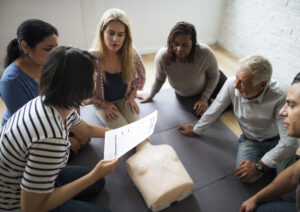
Training courses offer crucial knowledge concerning using defibrillators effectively alongside mouth-to-mouth resuscitation strategies. Organizations like St John Rescue offer certifications that gear up employees with lifesaving skills.
Defibrillator Regulations Australia
Legislation bordering defibrillators varies by state however normally mandates specific workplaces, such as gyms or aged treatment facilities, to have AEDs conveniently offered for use during emergencies.

Choosing Right AED Australia
Selecting an ideal model depends on aspects such as:
- Intended usage (workplace vs industrial) User-friendliness Availability of pediatric options
Identifying Prospective Catastrophes in Your Workplace
Employers should carry out danger analyses frequently to identify potential medical emergencies unique to their atmosphere-- this might consist of assessing employee health risks or environmental threats influencing emergency situation action protocols.
FAQs
1. What is an Automated Outside Defibrillator?
An Automated External Defibrillator (AED) is a mobile tool designed to deal with people experiencing sudden cardiac arrest by delivering an electrical shock that aids recover typical heart rhythm.
2. Are there legal demands for having an AED in my workplace?
Yes, while details regulations may differ by state or territory, numerous regions need offices-- specifically those considered high-risk-- to have actually access to automated outside defibrillators as part of their emergency treatment provisions.
3. How often must I check my office's AED?
It's suggested to inspect your office's AED a minimum of once a month and after each usage, guaranteeing that batteries are functional and pads are within expiry dates.
4. Can anyone make use of an AED?
Yes! Modern devices are designed for laypeople and give step-by-step audio guidelines; nonetheless, formal training is recommended for optimal readiness throughout emergencies.
5. What is consisted of in defibrillator training courses?
Courses generally cover just how to operate an AED securely, do CPR efficiently, recognize indicators of cardiac arrest, and react properly throughout clinical emergencies.
6. Where can I discover public gain access to defibrillators?
Public gain access to defibrillators can be located in various places such as shopping mall, airports, colleges, sporting places, and community centers; local authorities often preserve maps showing these locations.
Conclusion
Ensuring work environment safety and security includes more than just compliance; it's about cultivating a society of readiness among staff members concerning health and wellness emergency situations such as cardiac arrests. Carrying out effective policies around Automated External Defibrillators (AEDs) not only improves your duty of care yet likewise shows commitment towards employee well-being-- a win-win situation!
In recap, comprehending the vital parts surrounding office AED needs in Australia gears up companies with knowledge needed for developing more secure First Aid Training in southport atmospheres conducive to both productivity and wellness amongst personnel-- because at the end of the day? Everybody is worthy of peace of mind knowing they're made sure of!